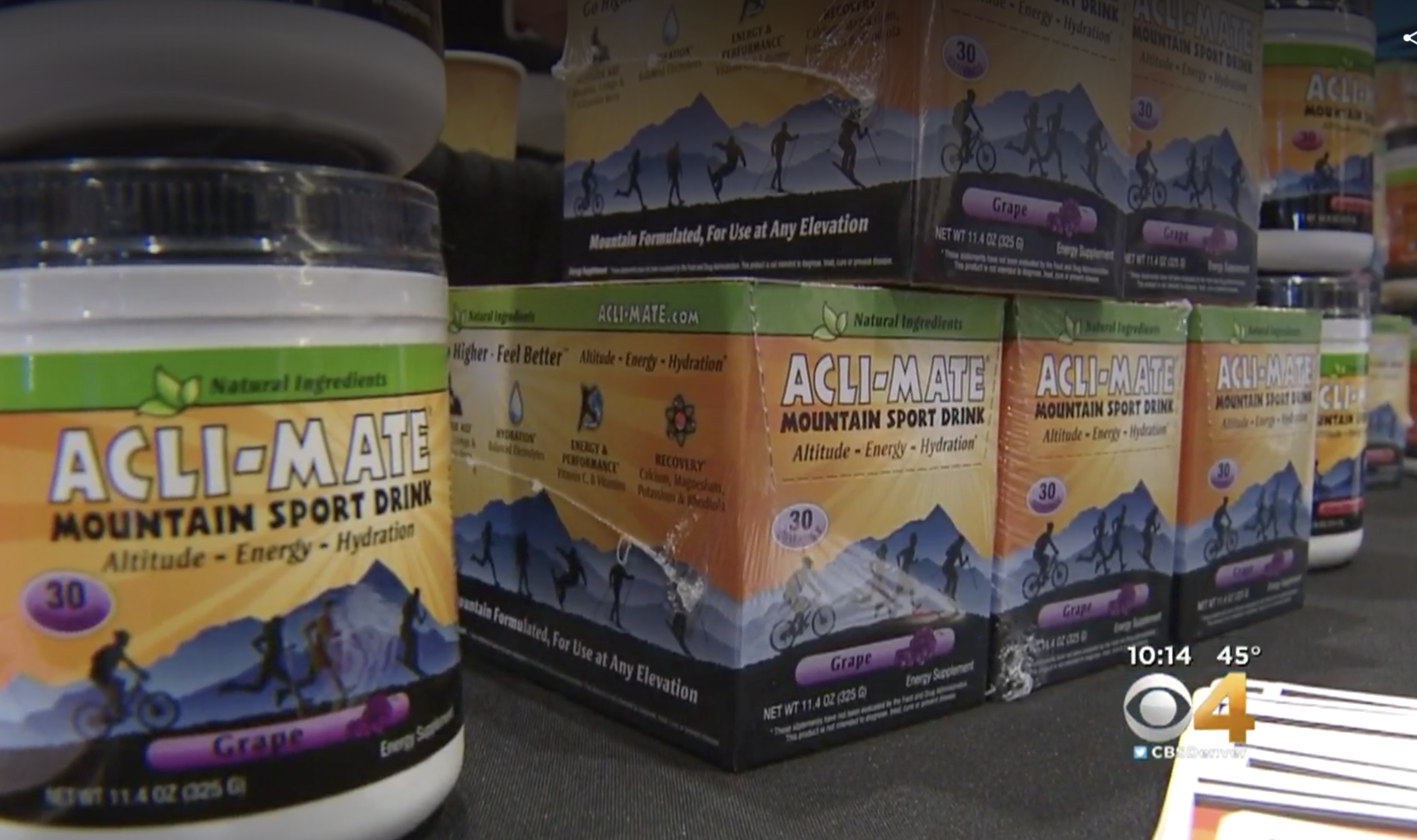
TrailblazerGirl.com Highlights Acli-Mate Products
Living at Altitude: The pros and cons of a high-altitude lifestyle
Article from the Gunnison Country Times ‘Healthy Living’ issue. Winter 2012
Written by Laura Anderson
Living at high altitude has its advantages — namely beautiful scenery, majestic mountains, clean air and inspiring recreation opportunities. But the thin air (with less oxygen) and decreased atmospheric pressure can also be tough on your system, particularly if you’re not used to it. So why do we put ourselves through the abuse? No matter what your age or fitness level, if you’re not used to the 7,703 feet of elevation in Gunnison, you could be susceptible to altitude sickness, also known as Acute Mountain Sickness.
Dr. Roanne Houck, naturopathic doctor and creator of Acli-Mate, a natural mountain sports drink designed specifically to help low-landers acclimate to elevation, described the warning signs of Acute Mountain Sickness, which often exhibits symptoms similar to the flu.
“Altitude sickness is not totally understood, but symptoms include fatigue, nausea, headaches, vomiting, dizziness, insomnia, water retention and high blood pressure,” she explained. “Generally, when people get here they think they’re getting sick.” And for visitors who don’t know better, that could mean an end to their vacation — and a decrease in the tourism revenues that mountain communities depend on. That’s actually how Houck got the idea for Acli-Mate.
“I read an article in a Denver newspaper that reported $289 million (in tourism revenue) is lost in Colorado due to altitude symptoms,” she pointed out. “If someone gets sick and the family leaves, then they might not come back. So I started researching what was on the market, which was not much.”
For low landers, it can take anywhere from two weeks to three months to begin to feel comfortable performing any kind of rigorous exercise at altitude. But according to Sarah Baysden, director of Western State Colorado University’s High Altitude Performance Laboratory (also known as the HAPLab) it can take two years for an athlete to perform as well at altitude as they did at sea level.
“It takes almost two years for you to feel similar (at altitude) to the way you feel at sea level and at least three months before you can start to feel comfortable doing high intensity things,” she said.
She also pointed out that athletes recruited to WSCU, particularly runners, often sit out from competition their first year “so they have a full year to adjust before they compete.”
“I think with athletes, getting them here and getting them mentally prepared for what they’re going to feel like is key,” she said. Baysden commented that that’s also why training regimens — particularly rest days — are even more crucial at altitude.
“When you constantly live at altitude, your body never gets to that same oxygen flux and recovery for your muscle tissues because you’re at constant hypoxia,” she explained. “If you never give your body a break, you’re not going to recover. It’s a lot easier for tissue to repair, to reoxygenate red blood cells and get full rested recovery (at sea level than at altitude). This is why it’s even more important to pay attention to training schedules, because you’re body is never as comfortable as it is at sea level.”
But despite that, the body does adapt to the stress.
The U.S. Air Force Academy in Colorado Springs has been at the forefront of acclimatization studies. One such study, released in the fall of 2010, followed freshmen for a year and compared those who came from “moderate” altitude, or about 5,000 feet, to those who came from sea level. That study concluded that students from moderate altitude had higher concentrations of hematocrits, hemoglobin and iron than those who had moved to altitude from sea level — even after a year of training. Participants from sea level also recorded slower times in 1.5-mile runs and lower composite physical fitness test scores.
Low landers generally aren’t affected by altitude until they reach 4,500 to 5,000 feet. But after that, the affects of altitude are compounded about every 1,000 feet — so the affects of going from 6,000 feet to 7000 feet can feel the same as jumping from sea level to 4,500 feet.
According to Baysden, athletes often come to altitude to train because decreased oxygen forces the body to produce more hematocrits to aid in oxygen fixation — basically, a natural form of blood-doping — which will give them more stamina at sea level.
If you’re new to the altitude, Baysden recommends starting your training regimen slowly and allowing plenty of time for your body to rest. If you work out regularly at sea level, she said to step back your training to the level you were at two to three months ago in order to not overload your system.
Houck and Baysden agree that the best way to combat altitude sickness is staying hydrated. According to Houck, the rule of thumb is to consume half your body weight in ounces of hydrating fluids every day.
In 2002 Houck began designing and testing her own formula for a sports drink to aid acclimatization, and in 2009 Acli-Mate was launched into the mainstream marketplace. “My approach to acclimatization is to look at it differently — how to support the body’s ability to adapt to stress. It doesn’t matter what the stress is — work, under sleep, over-training or altitude,” she said.
“Acli-Mate works so well just on the idea of supporting hydration … and pathways that help the body adapt to stress.” It contains electrolytes for hydration, Vitamin C for adrenal support plus B-vitamins and CoQ10 to aid energy production, as well as calcium and magnesium to help with cramping, heart palpitations and headaches.
Houck also recommends plenty of sleep — seven to eight hours per night for men, and eight to nine hours for women — as well as limiting consumption of caffeine, alcohol and junk foods.
Houck pointed out that populations living at altitude are generally “healthier” and “hardier” than those at sea level, though it likely has to do with more than altitude alone. It’s possible that because towns are generally smaller, “you walk or bike and are more active in daily life,” she posed.
It may also be a matter of survival of the fittest — often health conditions drive people to lower elevations where oxygen levels are higher, and living is easier.
But for those of us who choose to stay at altitude, is there an advantage? Baysden said the benefits are often mental as much as physiological.
“According to a lot of athletes that I’ve talked to, when they’re dealing with training here, it makes them mentally tough because it’s always hard — even easy days are hard,” she said. “But that gives them a competitive edge because they’ve got this mental edge from competing at high altitudes.”
And that statement is backed by statistics. According to a 2011 Colorado Springs Gazette article — “Air Force study: Altitude acclimatization takes longer” — research has shown that since 1968, 95 percent of medalists in the Olympics or world championships in events longer than 800 meters “have been exposed to altitude.”
So next time you’re hiking a peak or riding singletrack or running a hill — huffing and puffing along the way — think of how much tougher you’re becoming. Take a breath of that thin, cool air and savor its freshness. Look around and absorb the beautiful scenery, and you might start thinking, “I could get used to this.”
(Laura Anderson can be reached at the Gunnison Country Times at 970.641.1414 or laura@gunnisontimes.com)
Washington Trails Association: Recognizes Acli-Mate® as an Editor’s Choice product

Acli-Mate® was recognized as an Editors Choice in the September – October 2012 issue of the Washington Trails Magazine which is a publication of Washington Trails Association.
Here is a copy of what editor, Eli Boschetto had to say about Acli-Mate®:
Breathe Easy
Two summers ago, I set out to hike the entire 220-mile length of the John Muir Trail in California’s Sierra Nevada. This trail had been at the top of my life-list, and I had been preparing for years. Three weeks and 134 miles into my trip, I bonked hard.
What happened? The first thing to go was my appetite. Even though I had packed all of my favorite foods, eating was an unpleasant chore. Next came the sleepless nights, tossing and turning in my bag, despite my exhaustion from hiking long days over 11K and 12K passes, only to get an hour or two of shuteye each night. In the last few weary days, the nausea struck.
When I arrived at my last resupply station, I was completely bedraggled and deflated. The station attendant immediately recognized altitude sickness. She gave me lots of electrolyte drink and encouraged me to get rehydrated and try to eat. I spent an extra day working on mending myself, knowing that the bigger, higher passes were still to come. After no noticeable improvement the next day, I decided not to risk my health and safety and exited the trail. But I would be back.
The following summer, just before my planned return to the JMT, I was introduced to a product called Acli-Mate. This all-natural drink supplement employs a formula of vitamins, minerals, electrolytes and herbal extracts to assist in dealing with prolonged high elevation exposure. It was worth a shot; in just a few weeks my wife, Mitzi, and I would be tackling the next section of the JMT, near where I had exited the year before. We would be at constant elevations of 11K and 12K feet. Mitzi was known to have issues with elevation above 10K feet, and from my experience the year before, I was now too.
We started a regimen of Acli-Mate the day before our hike, and every morning and evening during our hike. We felt great! We ate well, we slept well, and we practically ran up 12K-foot Glen Pass. Now, with a little Acli-Mate in our water bottles (Cran- Raz is our favorite), prolonged elevation exposureis no longer an issue on our favorite trails.
– Eli Boschetto
Outdoor Insight Magazine calls Acli-Mate® a Hot Product to Watch
SKI Magazine Nov. 2011 Issue includes Acli-Mate®
December 2011 SKI Magazine ran an article including Acli-Mate® as a Health Essential on any ski vacation. The article went on to say Acli-Mate® is great for those who struggle with minor altitude sickness and for those who don’t… because Acli-Mate® makes you feel better at altitude! Check it out!
Backpacker Magazine feature in the April 2012 Gear Guide!

Acli-Mate® was featured in Backpacker Magazine 2012 Gear Guide as a most-requested trail beverage. Click here to read more.
Acli-Mate® Natural Sport Drink: Creates New Flavor & Improves Packaging
Gunnison, Colorado • July 30, 2012
Acli-Mate® Mountain Sport Drink, an all-natural altitude + energy aid and performance sport drink, introduces the new Colorado Cran-Raspberry flavor in the 100% natural mountain sport drink & endurance formulas. Acli-Mate® has also improved packaging and manufacturing processes to meet consumer demand, strict quality standards and rapid company growth.
“Based on our retail growth and grassroots event efforts, we’ve made some improvements to the individual packages and increased our production to meet demand,” says Acli-Mate’s Marketing Manager. “Our unique formulations demand the highest QC and with our sales increase, it was time to address all of this at once. We are very impressed with our current manufacturing and packaging partner.”
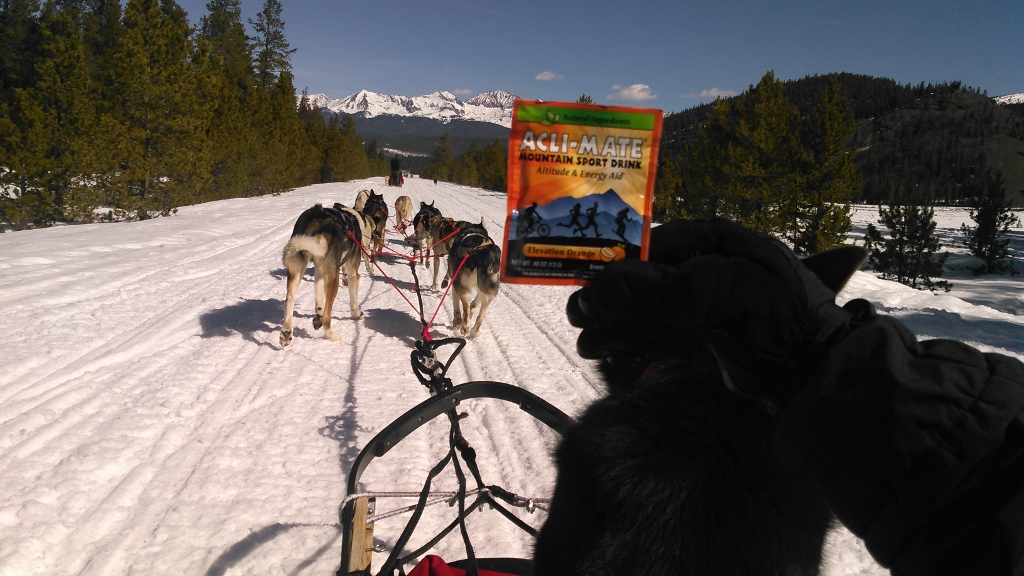
The Acli-Mate® product line includes: Acli-Mate® Mountain Sport Drink, available in Elevation Orange™, Mountain Grape™ and the new Colorado Cran-Raspberry™ flavors in both individual serving packs and economical tubs, and the new Acli-Mate® Endurance Performance Sport Drink for hydration and recovery is available in tubs and individual packets in Orange-Mango and the new Colorado Cran-Raspberry™ flavors.
Acli-Mate® will be at the Outdoor Retailer Summer Market at the Open Air Demo and at the South Plaza providing samples and informational seminars.